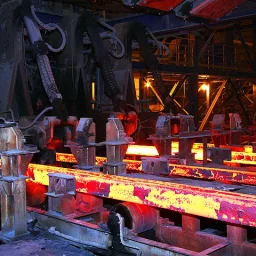

In construction, the strength of the structure depends on the quality of the steel. One key process that gives steel its unmatched strength and durability is Thermomechanical Treatment (TMT). This method is now the industry standard for producing high-strength steel bars used in buildings, bridges, and industrial infrastructure.
What Is Thermomechanical Treatment?
Thermomechanical Treatment (TMT) represents the application of controlled heating and cooling procedures to steel bars during their hot rolling process. The steel core becomes stronger through this process; at the same time, an intense outer surface develops. The steel bar manufacturing process aims to result in bars that are both strong and flexible.
The TMT process consists of three fundamental steps that lead to the production of strong steel bars used in building structures.
The hot bars receive rapid cooling treatment by using water. The quick cooling process creates a hardened outer surface on the material.
The thermal energy stored in the inner core allows it to reduce the temperature of the external surface. This prevents brittleness.
The core of the steel bars reaches its ductile state because they cool down in open-air conditions.
The result is a steel bar that can withstand high pressure, bending, and natural forces like earthquakes. High-pressure resistance and bending capabilities, together with natural force resistance, make up the final steel bar product.
Why TMT Bars Are a Game Changer
Construction projects used traditional mild steel bars until the development of TMT bars. Those steel bars failed to achieve both strength and flexibility simultaneously. Engineers now benefit from the combination of properties delivered through TMT bars. They now have access to:
- Higher strength-to-weight ratio
- Better corrosion resistance
- Excellent weldability
- High thermal resistance
These features make them ideal for use in coastal areas and seismic regions, along with high-temperature environments.
Durability Benefits of TMT Bars
Durability is not just about surviving one-time stress. It’s about lasting through years of wear, weather, and usage. TMT bars score high on this front because:
- The tempered outer layer resists cracking and chipping.
- The soft core allows the bar to bend without breaking.
- The absence of surface stress improves longevity.
For large structures that must endure rain, heat, or movement, these properties are essential.
How TMT Bars Improve Performance in Real Projects
TMT bars bring cost efficiency and enhanced safety to construction projects. The application of TMT bars eliminates extra reinforcement and minimises maintenance expenses and helps to avoid the risk of structural failure.
Various TMT bar manufacturers in West Bengal now use Thermex and HSE technologies to manufacture reliable, high-quality bars. These local manufacturers not only meet BIS standards but also export due to their superior process control.
Choosing the Right TMT Bar
Every TMT bar possesses different characteristics. The selection of TMT bars must focus on manufacturers who are reliable and have been certified while strictly following testing procedures. Select bars that display clear markings along with fixed lengths and reliable certifications.
Conclusion
Thermomechanical Treatment has changed how we build. It has added strength, safety, and long-term value to construction materials. For engineers, architects, and developers, choosing high-strength steel bars made with this process is a smart, future-ready decision. With innovation on the rise, TMT bar manufacturers in West Bengal are leading the way in delivering steel that performs under pressure and lasts a lifetime.